


Physical Therapy Restores Function After a Car Accident
How does physical therapy help you recover from a car accident? Physical therapy restores mobility, rebuilds strength, and reduces pain after an auto injury while preventing acute injuries from becoming chronic problems. After a crash, the combination of soft-tissue trauma, guarding, and inactivity leaves the body stiff, weak, and painful, and physical therapy is the structured process that reverses that.
A collision loads the body in ways daily life never does, and the injuries are frequently not obvious on an X-ray. Whiplash, muscle strains, ligament sprains, disc irritation, and concussion are soft-tissue and neurological injuries that respond to movement-based rehabilitation, not just rest. The goal of therapy is to return you to your pre-accident life, such as work, driving, sleep, and activity, while making sure a short-term injury does not quietly turn into a long-term pain pattern. Starting sooner generally makes that easier. Our McHenry physical therapy clinic can help you get your life back on track after a car accident injury.
Whiplash and Soft-Tissue Injuries Respond Well to Early Physical Therapy
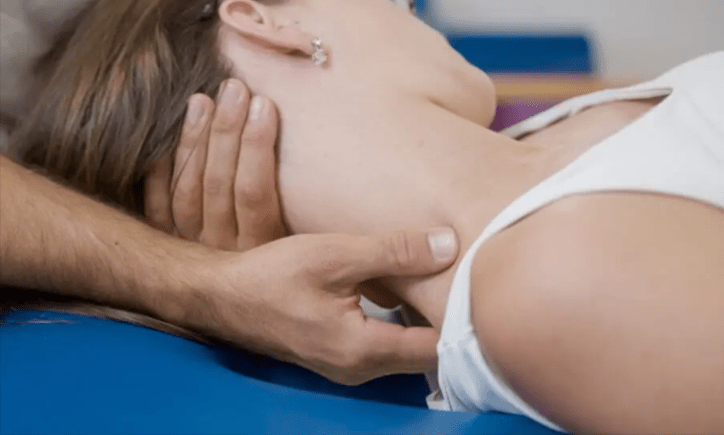
Which car accident injuries need physical therapy? The injuries that respond most to physical therapy are whiplash, soft-tissue strains and sprains, back pain and neck pain, and concussion, the injuries most commonly caused by a crash. These are precisely the injuries that heal better with guided movement than with passive waiting.
- Whiplash: The neck is snapped rapidly forward and back, straining muscles and ligaments; this is the most common crash injury and often the most under-treated.
- Soft-tissue injuries: Strains, sprains, and tears cause pain and stiffness that manual therapy and progressive loading resolve.
- Back pain: Impact can irritate discs, compress nerves, and strain muscles throughout the spine.
- Concussion: A mild traumatic brain injury that can cause headaches, dizziness, light sensitivity, and balance problems, and responds to specific rehabilitation, not a dark room alone.
Delayed Symptoms After a Crash Warrant Evaluation
Should you see a physical therapist if you feel fine after an accident? Yes, many auto injuries, especially whiplash and soft-tissue damage, produce delayed symptoms that surface days or even weeks later. The adrenaline and inflammation of the first day or two can mask pain that only becomes obvious once the initial shock settles.
This delay is exactly why “I felt okay at first” is such a common story in the clinic. Stiffness that creeps in over the following week, a headache that will not resolve, tingling into an arm, or a neck that will not turn are all signals worth evaluating. Getting assessed early does two things: it catches problems while they are still easy to treat, and it establishes a clear record of your condition from the start. Waiting rarely makes an auto injury easier to fix.
Physical Therapy Reduces Reliance on Medication and Surgery

Can physical therapy help you avoid medication or surgery after a car accident? Physical therapy is a non-invasive approach that often reduces reliance on pain medication and can lower the likelihood of surgical intervention for musculoskeletal injuries. By treating the source of the pain rather than masking it, therapy addresses why you hurt instead of only dulling the signal.
Manual therapy, targeted exercise, and modalities work together to calm pain, restore motion, and rebuild the strength that stabilizes injured areas. For many soft-tissue and mechanical injuries, that is enough to recover fully without long-term medication or a procedure. Even when other care is needed, prior rehabilitation usually improves the outcome. Fewer prescriptions and fewer invasive steps is a goal worth pursuing from day one.
Consistent Therapy Documents Your Recovery
Does physical therapy help with an auto injury claim? Consistent physical therapy treatment creates a documented, professional record of your injuries and your recovery, which can matter if your accident involves an insurance or injury claim. Progress notes, evaluations, and a clear treatment timeline show the real impact of the crash and the care it required.
We are physical therapists, not attorneys, and this is not legal advice, but it is a practical reality that documented, ongoing treatment reflects the true course of an injury far better than a gap in care. Coverage varies: auto medical-payments coverage, health insurance, and settlements can all come into play depending on your situation. What we control is the quality of your care and the clarity of your records. If you are working with an attorney, we are happy to coordinate.
Auto-Injury Rehab at Red Rock Combines Manual Therapy, Dry Needling, and Concussion Care
What does auto-injury physical therapy look like at Red Rock Physical Therapy & Wellness? Auto-injury rehab at Red Rock Physical Therapy & Wellness begins with a thorough evaluation and builds an individualized plan combining hands-on manual therapy, targeted exercise, and specialized techniques matched to your injuries. Every plan starts by understanding exactly how the crash affected you, then addresses pain, mobility, strength, and function in sequence.
Our clinical toolkit maps directly onto the injuries crashes produce. Myofascial release addresses the whole-body tension and restriction that follow trauma; functional dry needling targets the muscle guarding and trigger points behind whiplash and back pain; and dedicated concussion management treats the dizziness, headaches, and balance issues that a dark room will not fix. Care is one-on-one in a private treatment room, and no referral is required to begin in Illinois.
Why Contact Red Rock Physical Therapy

After a car accident, the injuries that matter most are often the ones you cannot see on an X-ray, including whiplash, soft-tissue trauma, and concussion, and those are exactly what physical therapy is built to treat. Getting evaluated early does double duty: it starts your recovery while the injury is still easy to address, and it creates a clear record of what the crash actually did to you. Our McHenry team combines hands-on manual therapy, dry needling, myofascial release, and concussion care in private, one-on-one sessions, and we coordinate with your attorney if you are pursuing a claim. You do not need a referral to begin, and we would rather see you a week too early than a month too late.
McHenry Physical Therapy Review
Red Rock Physical Therapy is a gem tucked away in McHenry. The staff is knowledgeable and friendly. They are willing to work with your schedule to get you in to receive care. They are concerned with your well being and safety. I recommend them to anyone needing physical therapy.
Shawn Smosna
Rating: 5/5 ⭐⭐⭐⭐⭐
Shawn Smosna, April 4, 2020
Read more of our client reviews on our Google profile!
Frequently Asked Questions
How soon after a car accident should I start physical therapy?
As soon as you are medically stable and cleared by a provider, generally the sooner the better. Early therapy manages pain, prevents stiffness from setting in, and catches delayed-onset injuries while they are still easy to treat.
I feel fine — do I still need to be checked?
Possibly. Whiplash and soft-tissue injuries often produce delayed symptoms that appear days or weeks later. An early evaluation catches problems early and documents your condition from the start.
How long does physical therapy take after a car accident?
It depends on injury severity. Many soft-tissue and whiplash cases resolve over several weeks to a few months, while more significant injuries take longer. Your plan is tailored and adjusted as you progress.
Can physical therapy help whiplash?
Yes. Whiplash is one of the most common crash injuries and responds well to manual therapy, targeted exercise, and dry needling to reduce the muscle guarding and restore neck motion.
Does insurance cover physical therapy after a car accident?
Coverage varies by situation and can involve auto medical-payments coverage, health insurance, or a settlement. We can help you understand your options, and we coordinate with attorneys when a claim is involved.
Do I need a referral to start?
No. Illinois allows you to begin physical therapy without a physician referral, so you can be evaluated quickly after an accident.
Contact Us
Red Rock Physical Therapy & Wellness
5435 Bull Valley Rd, Suite 110
McHenry, IL 60050
Phone: 815-451-4502
Hours: Mon–Thurs 8am–7pm · Fri 8am–3pm · Sat–Sun Closed
Proudly serving McHenry, Crystal Lake, Woodstock, Lakewood, Lake in the Hills, Wonder Lake, Johnsburg, Ringwood, Algonquin, Huntley, and surrounding McHenry County and Southern Wisconsin communities.

Written & Reviewed By
Dr. Deborah A. Mitchell, PT, DPT, MPT
Doctor of Physical Therapy
Red Rock Physical Therapy & Wellness · McHenry, IL
APTA Private Practice Member · NPI 1417975566
Dr. Deborah “Debbie” Mitchell is a Doctor of Physical Therapy at Red Rock Physical Therapy & Wellness in McHenry, Illinois, with more than 20 years of clinical experience treating orthopedic, neurologic, and sports-related conditions. She earned her Doctor of Physical Therapy from Temple University (2006), and holds a Master of Physical Therapy (2002) and a B.S. in Health Science from Bradley University. Her own recovery from a serious car accident at 18 shaped her whole-person, hands-on approach and led her to specialize in the John F. Barnes Myofascial Release Approach®. Her clinical focus includes manual therapy, dry needling, balance, back pain, and fibromyalgia, and she serves as a Certified APTA Clinical Instructor.
Practice
Therapy · Temple ’06
(2014 & 2015)