


Athletic Tape Restricts Motion, While Kinesiology Tape Supports Movement
What is the difference between athletic tape and kinesiology tape? Athletic tape restricts joint motion to protect ligaments, while kinesiology tape stretches with the skin to support muscles without limiting range of motion. They look similar on the shelf, but they solve opposite problems, and using the wrong one can leave you either over-restricted or under-supported.
Athletic tape (also called rigid tape or strapping tape) is a stiff, non-elastic cotton tape applied under firm tension, usually with an underwrap. Its job is mechanical: hold a joint in a safe position so it can’t move into the range that re-injures it. Kinesiology tape is a thin, elastic cotton-blend tape with an acrylic adhesive designed to mimic the elasticity of skin. Its job is neuromuscular and circulatory: cue the muscle, lift the skin slightly to help fluid drainage, and give sensory feedback while you keep moving.
Rigid Athletic Tape Protects Ligaments During High-Risk Activity
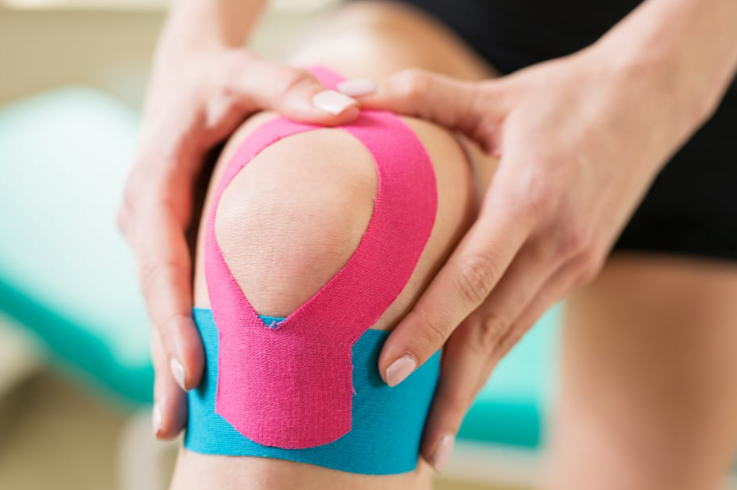
When should you use athletic tape? Athletic tape is the right choice when the goal is mechanical stability, such as preventing a sprained ankle from rolling again during a game. It is the evidence-supported option any time you need to physically block a joint from moving into a dangerous range.
Because rigid tape genuinely limits motion, it is applied right before activity and removed right after. Left on too long, it can restrict circulation and irritate skin, and it loses tension quickly once you sweat. This is the tape you see wrapped tightly around a basketball player’s ankle or a lineman’s wrist. It buys short-term protection for a structure that is currently vulnerable, not long-term rehabilitation.
Kinesiology Tape Aids Proprioception, Swelling, and Pain
What does kinesiology tape actually do? Kinesiology tape supports muscles and joints while allowing near-full movement, and there is reasonable evidence it can improve proprioception, assist swelling and bruise management, and modulate pain for certain conditions. What it does not reliably do is restrict motion or build strength on its own.
The honest clinical picture: kinesiology tape is a helpful adjunct, not a treatment by itself. It can make a rehab exercise more comfortable, remind a muscle to fire, or help a swollen ankle drain faster, but it works best layered on top of the actual work, the loading, mobility, and strengthening that resolve the underlying problem. It is water-resistant and can stay on for three to five days, which is why it suits ongoing rehab rather than single-event protection.
Each Tape Solves a Different Problem
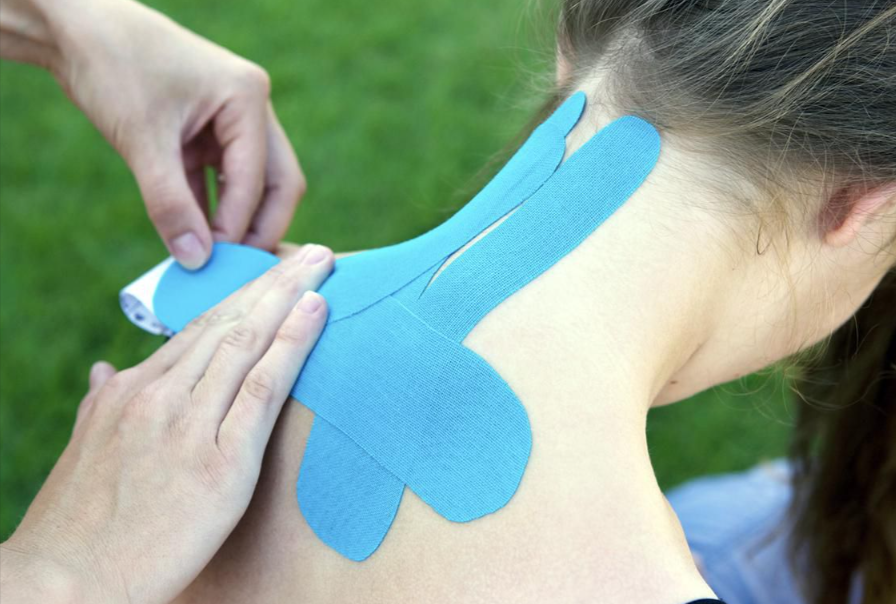
How do athletic tape and kinesiology tape compare side by side? Athletic tape and kinesiology tape differ across every meaningful dimension, including elasticity, purpose, wear time, and effect on movement. The table below lays out the practical differences.
| Feature | Athletic (Rigid) Tape | Kinesiology Tape |
| Elasticity | Non-elastic / minimal stretch | Highly elastic, mimics skin |
| Primary purpose | Mechanically restrict joint motion | Support muscle, aid proprioception & swelling |
| Effect on range of motion | Limits it (intentionally) | Preserves near-full motion |
| Typical wear time | Minutes to hours; remove after activity | 3–5 days |
| Best for | Acute sprains, unstable joints, on-field protection | Rehab support, swelling, pain cueing, ongoing training |
| Water resistance | Low; loosens with sweat/water | High; withstands showers |
| Reusable application | No | Often stays put for days |
Which Tape You Should Use for Common Injuries
Which tape is better for a sprained ankle, a sore knee, or shin pain? The right tape depends on whether the tissue needs to be protected from movement or supported through movement. Here is how it usually breaks down for the injuries we see most.
- Acute ankle sprain, unstable joint: Athletic tape or a brace. You want mechanical restriction to stop the joint from rolling again.
- Late-stage ankle rehab, returning to sport: Kinesiology tape for proprioceptive feedback while you rebuild strength.
- Runner’s knee / patellar tracking: Kinesiology tape to cue alignment and offload discomfort during activity.
- Swelling or bruising after injury: Kinesiology tape to assist lymphatic drainage.
- Hypermobile or repeatedly re-injured joint: Athletic tape for firm support during high-risk activity.
- General muscle soreness or a “tweaked” back: Kinesiology tape can offer comfort, but it is a signal to get the movement pattern assessed.
Taping Is a Tool, Not a Diagnosis
Should you rely on tape to fix an injury? Taping, either kind, is a short-term tool, not a cure, and persistent or recurring pain means the underlying cause has not been addressed. If you keep re-taping the same joint week after week, the tape is managing a symptom while the real driver goes untreated.
A physical therapist can tell you which tape (if any) fits your specific injury, apply it correctly, and, more importantly, build the strengthening and movement plan that makes taping unnecessary. Correct application matters more than most people realize; the same strip of kinesiology tape does nothing or something depending on where and how it is anchored. That assessment is where a tape strategy turns into an actual recovery.
Why Contact Red Rock Physical Therapy
Kinesiology or athletic tape can calm a symptom, but it will not tell you why the injury keeps happening, and that is exactly what a physical therapist is for. If you find yourself taping the same ankle, knee, or shoulder over and over, the tape is a clue that the underlying strength, mobility, or movement pattern needs attention. Our McHenry physical therapy team assesses the actual cause, applies the right tape correctly when it helps, and builds the plan that gets you off the tape and back to activity. You do not need a referral to start in Illinois, and our physical therapists treat one patient at a time so your session is genuinely yours.
McHenry Physical Therapy Review
Red Rock Physical Therapy is a gem tucked away in McHenry. The staff is knowledgeable and friendly. They are willing to work with your schedule to get you in to receive care. They are concerned with your well being and safety. I recommend them to anyone needing physical therapy.
Shawn Smosna
Rating: 5/5 ⭐⭐⭐⭐⭐
Shawn Smosna, April 4, 2020
Read more of our client reviews on our Google profile!
Frequently Asked Questions
Can I use kinesiology tape instead of athletic tape?
Not interchangeably. If you need to physically stop a joint from moving, like protecting a fresh ankle sprain during activity, kinesiology tape will not provide enough restriction. Use rigid athletic tape or a brace for that, and save kinesiology tape for support and feedback while you keep moving.
Does kinesiology tape actually work?
It has evidence for specific outcomes like improved proprioception, swelling and bruise management, and short-term pain relief, but it does not build strength or reliably restrict motion. Think of it as a useful add-on to rehab, not a standalone fix.
Is KT Tape the same as kinesiology tape?
KT Tape is a popular brand of kinesiology tape. “Kinesiology tape” is the category; KT Tape, SpiderTech, and others are brands within it.
How long can I leave each type of tape on?
Remove rigid athletic tape after your activity, as it can restrict circulation if left on. Kinesiology tape is designed to stay on for three to five days, even through showers.
Which tape is better for a sprained ankle?
For a fresh or unstable sprain, athletic tape or a brace, because you want to limit the motion that caused the injury. Later in rehab, kinesiology tape can support your return to activity.
Can I get taped at a physical therapy clinic?
Yes. A physical therapist can assess your injury, choose and apply the correct tape, and build the strengthening plan that reduces how much you need it going forward.
Contact Us
Red Rock Physical Therapy & Wellness
5435 Bull Valley Rd, Suite 110
McHenry, IL 60050
Phone: 815-451-4502
Hours: Mon–Thurs 8am–7pm · Fri 8am–3pm · Sat–Sun Closed
Proudly serving McHenry, Crystal Lake, Woodstock, Lakewood, Lake in the Hills, Wonder Lake, Johnsburg, Ringwood, Algonquin, Huntley, and surrounding McHenry County and Southern Wisconsin communities.

Written & Reviewed By
Dr. Deborah A. Mitchell, PT, DPT, MPT
Doctor of Physical Therapy
Red Rock Physical Therapy & Wellness · McHenry, IL
APTA Private Practice Member · NPI 1417975566
Dr. Deborah “Debbie” Mitchell is a Doctor of Physical Therapy at Red Rock Physical Therapy & Wellness in McHenry, Illinois, with more than 20 years of clinical experience treating orthopedic, neurologic, and sports-related conditions. She earned her Doctor of Physical Therapy from Temple University (2006), and holds a Master of Physical Therapy (2002) and a B.S. in Health Science from Bradley University. Her own recovery from a serious car accident at 18 shaped her whole-person, hands-on approach and led her to specialize in the John F. Barnes Myofascial Release Approach®. Her clinical focus includes manual therapy, dry needling, balance, back pain, and fibromyalgia, and she serves as a Certified APTA Clinical Instructor.
Practice
Therapy · Temple ’06
(2014 & 2015)